
Inflation is a topic that makes nearly everyone uneasy, especially as financial forecasts suggest pressures may linger well into 2026.
When prices rise, the money in a savings account can quickly lose purchasing power. People saving for retirement, education, or just for peace of mind all face the same predicament.
Some may wonder if traditional approaches like a basic savings account are still reliable, or whether there are smarter, more adaptive methods to consider. This guide explores practical, actionable ways to help protect savings from inflation risk in 2026.
Understanding Inflation and Its Impact on Savings
For those trying to preserve wealth, inflation can feel like a silent thief. Prices for everyday items, groceries, rent, and utilities tend to creep up. But savings might not increase at the same rate.
Even a moderate annual inflation rate can erode the real value of cash over time. In 2026, with economic cycles shifting and markets adjusting, many may notice this even more sharply.
Why Planning for Inflation Matters in 2026
Many central banks adjust policy to control inflation, but relief for consumers isn’t always immediate.
Fixed-income earners, retirees, and cautious savers typically notice the effects first. Ignoring inflation could mean watching your funds gradually do less and less for you.
Building awareness around inflation’s impact encourages proactive, rather than reactive, financial choices.

Diversifying Your Savings: Smart Options for 2026
Perhaps the old advice to not “put all your eggs in one basket” applies more than ever.
There is no single perfect solution, and spreading savings across various asset types could soften inflation’s sting. A few possibilities stand out in the current climate:
- High-yield savings accounts – These often pay better interest than regular savings. While unlikely to outpace inflation entirely, they could help minimize losses.
- Inflation-protected bonds – Some government bonds, such as US Treasury Inflation-Protected Securities (TIPS), adjust with inflation and offer a safer option for risk-averse individuals. The same concept exists in other countries through specialized national bonds.
- Certificates of Deposit (CDs) – In some cases, timed deposits may provide higher fixed rates that, at the very least, offer predictable returns regardless of short-term market noise.
- Diversified investment funds – Some mutual funds and exchange-traded funds (ETFs) include assets that historically perform well during periods of inflation, like commodities or real estate. However, these do introduce some risk and volatility that basic savings tools typically avoid.
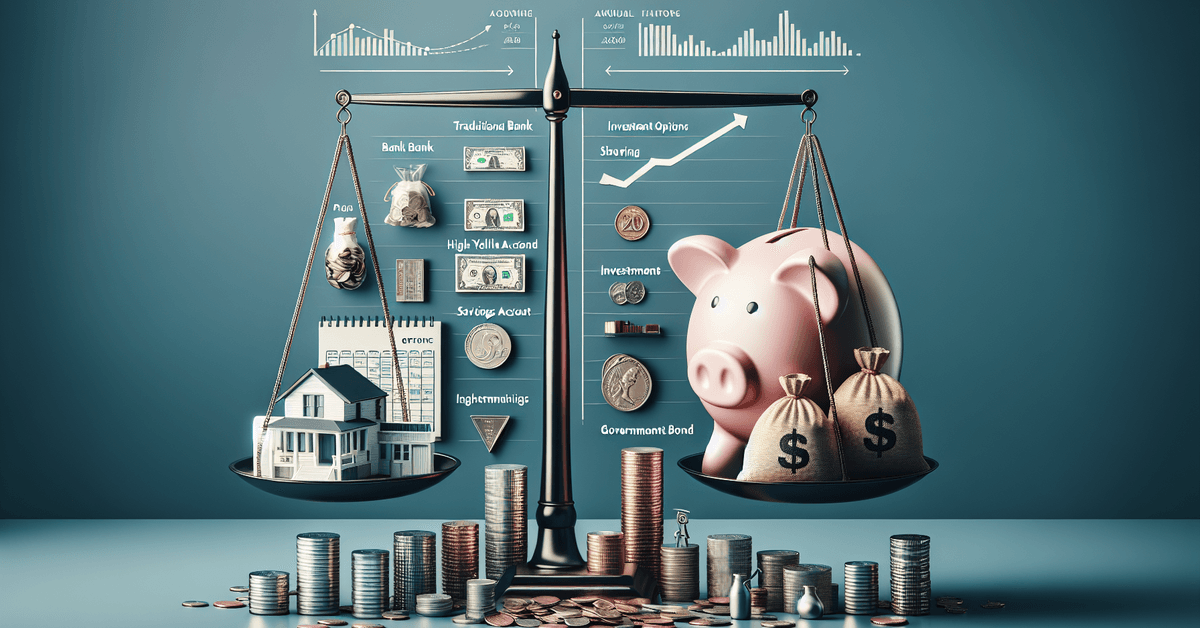
Visual Overview: Comparing Inflation-Proofing Strategies
| Option | Inflation Protection | Flexibility | Risk Level |
|---|---|---|---|
| High-yield savings | Low | High | Very low |
| Inflation-protected bonds | Medium-High | Medium | Low |
| Certificates of Deposit | Medium | Low | Low |
| Diversified ETFs/Funds | Medium-High | High | Medium |
Note: Flexibility refers to how quickly savings can be accessed without penalty.
Keeping Pace: Adjusting Savings Goals and Habits
Adjusting personal savings targets as inflation rises might help preserve future spending power.
For example, if inflation averages 3% annually, saving more each year (perhaps just a little) could offset the diminishing value.
While some people update their savings goals annually, others check in more often. Both approaches offer benefits, depending on financial temperament and life stage.
Role of Real Assets in Inflation Protection
Real assets, such as property, commodities, or even precious metals, tend to retain value better during inflationary economies.
These investments may require more research, expertise, or upfront commitment, though.
Real estate is often cited as a “hard asset” and, in some cases, rental properties may adjust income streams in line with inflation. However, local market swings can introduce unpredictability.
Alternative Assets: Pros and Cons
- Real estate: Potential for asset appreciation and rental income, but involves management, taxes, and not-so-minor fees.
- Commodities (e.g., gold, oil): Often hold value, but their prices can be volatile and don’t pay interest or dividends.
- Cryptocurrencies: Some believe these offer inflation resistance, but extreme swings make them less suitable for savings goals with a shorter time frame.
Integrating Safe Investments for 2026 and Beyond
Mixing lower-risk assets with more ambitious ones might strike a balance between protection and growth. It’s rarely necessary or wise to abandon safety for the hope of big returns, especially if peace of mind is a top goal.
Bank-insured products, such as certificates and savings, serve as an anchor.
Meanwhile, inflation-linked investments offer insurance against currency decline. For 2026, this mixed strategy, often called a “barbell” approach, could suit both cautious and moderately adventurous savers.
Reviewing Policies and Developing a Personal Inflation Plan
While setting an initial plan feels good, policies and markets change. Some savers revisit their strategies annually, or even after any economic or policy shift.
Staying informed about government protections, interest rates, and inflation projections supports smarter decision-making.
Fields like insurance and pensions also deserve occasional reevaluation, as benefits may shift to reflect changing economic realities.
Practical Steps: An Example Checklist
- Open or review a high-yield savings account. Compare rates at trusted banks ( NerdWallet high-yield savings overview).
- Research inflation-protected bonds available in your country (US TreasuryDirect).
- Review any tax advantages for savings or investment accounts, as incentives may change each year.
- Monitor inflation trends using national statistics office resources—for the US: Consumer Price Index (CPI).
- Adjust monthly budget and savings targets as inflation data updates.
- Revisit personal risk tolerance. Consider professional advice if unsure about mixing asset classes.
Frequently Asked Questions about Inflation-Proofing Savings
How often should I change my savings strategy due to inflation?
This varies. For some, an annual review is enough. Others prefer semi-annually or even quarterly, especially when inflation rates are volatile or unpredictable.
Are high-yield savings accounts really safe?
Yes, as long as accounts are held with reputable, insured banks. Rates can change, so shopping around—and occasionally switching banks—isn’t unusual.
Can stocks help beat inflation?
Potentially. Equities historically outpace inflation over very long periods, but they come with market risk. For short- to mid-term needs, pure stock exposure may not suit every saver.
Conclusion: Building an Inflation-Ready Savings Plan for 2026
Planning for inflation in 2026 does not need to be dramatic or stressful. Sometimes small, careful shifts in savings habits and strategy make all the difference.
Whether adjusting targets, mixing asset types, or researching government-backed options, the aim remains preserving value and future readiness.
Reviewing plans regularly can bring ongoing peace of mind and perhaps even new opportunities. For more on managing investments during uncertain times, see our smart investing guide for volatile markets .