Thinking about retirement in your 30s may not seem urgent, but it’s a decision with lifelong impact. Many people in this age group are navigating careers, managing debts, or perhaps even raising families. But adopting sound financial habits now can make a significant difference later on.
This article is especially relevant for individuals in their 30s looking to gain control of their financial future and reduce money worries down the line.
The biggest benefit? Early habits build a path toward a comfortable, less stressful retirement without sacrificing the present.
Why Starting in Your 30s Matters for Retirement Planning
There’s a noticeable advantage in beginning retirement planning early, even if it feels a little out of sync with day-to-day needs.
Time is the quiet partner when it comes to investing. Those who take consistent steps in their 30s may find that their money grows thanks to the power of compounding exponentially.
Of course, not everyone comes into their 30s with financial stability, and that’s perfectly normal. Still, creating even small, consistent saving habits can be more beneficial than waiting for the “perfect” moment.
Key Financial Habits for a Secure Retirement in Your 30s
Below are several habits that can set the stage for a strong financial future. They might not all feel urgent, but together, they help to build wealth and resilience.
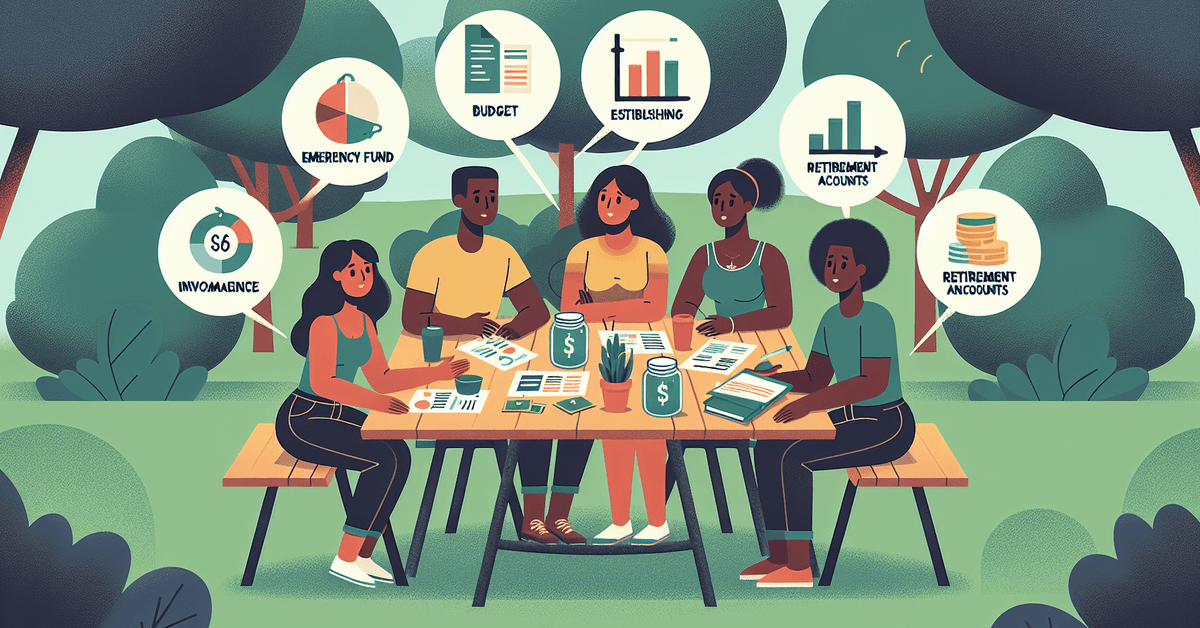
Create and Regularly Review a Personal Budget
Budgeting isn’t necessarily glamorous, but it offers true insight into spending and saving patterns.
Setting up a monthly budget, even a basic one, can clarify where money is going. Occasional, honest reviews offer an opportunity to adjust as life changes, which is likely to happen often in your 30s.
Establish an Emergency Fund
Unexpected events do happen, and having a financial cushion is essential. Aside from peace of mind, an emergency fund keeps future retirement savings untouched if unplanned expenses arise.
Many suggest setting aside 3-6 months’ worth of living expenses, though even a small, regular contribution is a positive start.

Take Advantage of Employer-Sponsored Retirement Accounts
For those with access to options like a 401(k) or similar, contributing a percentage of income could have remarkable long-term effects.
Some employers even match contributions up to a point arguably one of the best savings opportunities available. If this isn’t available, there are alternatives (see the next section).
Explore Personal Retirement Savings Accounts
Not everyone has an employer plan. Options like an IRA (Individual Retirement Account) in the US, or a SIPP in the UK, can help individuals save independently.
Interest, dividends, and investment gains can build over time even small, regular deposits add up.
Manage Debt Responsibly
It’s common to carry debt for student loans, cars, or even early mortgages in your 30s.
Focusing on manageable repayments and avoiding new, high-interest debt is key. Sometimes, refinancing or consolidating might free up funds for retirement savings in the future, but seeking professional input often helps.
Automate Savings and Investments
People tend to forget transfers or hesitate to move money manually.
Automating deposits whether monthly or from each paycheck means building wealth over time without a second thought. Many banks or investment providers allow recurring transfers for convenience.
Check in on Insurance and Protection Plans
While it’s a less exciting aspect of financial planning, adequate insurance (life, health, disability) prevents unexpected circumstances from derailing retirement plans.
Reviewing what’s in place, and updating it after major life events, gives added security. Not everything can be anticipated, though, which is just part of life.
How to Choose the Right Retirement Accounts and Investments
Choosing where to put savings is almost as important as saving itself . With so many options stocks, bonds, funds, real estate it can seem complex.
However, the early years are often best suited for growth-oriented investments because there’s more time to recover from market fluctuations.
- Employer-Sponsored Plans (official IRS info): Matching contributions are effectively free money and should generally be prioritized.
- IRAs and Roth IRAs: Good for tax-advantaged savings, flexible eligibility, and long-term growth.
- Brokerage Accounts: Offer flexibility but aren’t tax-advantaged. Can be useful for building additional wealth beyond retirement-specific accounts.
Tips for Maximizing Retirement Growth and Security in Your 30s
Beyond opening accounts, a few strategic moves can help. Perhaps these won’t seem urgent now, but even small tweaks can compound over time.
- Increase contributions with pay raises: As income grows, nudging up the retirement savings rate can scale a retirement fund quickly.
- Regularly review investment strategies: Market conditions and personal risk levels change. Occasionally revisiting allocations—and seeking input if unsure—keeps things on track.
- Avoid early withdrawals: Many plans penalize early withdrawals, and it can be tempting in a financial crunch. If possible, consider all alternatives first to let investment gains keep growing.
- Stay informed: Laws, tax breaks, and account limits can change. Reliable resources, like Fidelity or MarketWatch, present up-to-date information.
Understanding Tax Benefits and Legal Considerations
Many retirement accounts offer tax incentives, but they vary by country and account type. In the US, for example, pre-tax contributions to a traditional 401(k) can lower annual taxable income.
On the other hand, a Roth IRA involves after-tax money, but withdrawals can be tax-free in retirement, under certain conditions.
Other jurisdictions may have distinct rules and tax advantages, so it’s wise to check official government sites or consult a professional for detailed, localized advice.
Common Questions (and Answers) About Retirement Planning in Your 30s
Sometimes, questions linger even after everything’s been considered. Here are a few that often come up:
Is it ever too late to start saving for retirement?
In reality, it’s almost never too late. The earlier, the better, but every contribution helps, even if started later in life.
What if saving a lot isn’t possible right now?
Even small, regular amounts can add up. Life circumstances may change, but starting somewhere, even modestly, matters more than the perfect amount.
How much should be saved each month?
The rule of thumb varies. Many recommend 10–15% of income. In reality, any regular savings is beneficial, and contributions can be adjusted over time.
Visual Idea: Retirement Accounts at a Glance
Readers might appreciate a quick comparison table, for instance:
| Account Type | Tax Benefit | Access |
|---|---|---|
| 401(k) | Pre-tax, lowers taxable income | Via employer |
| Roth IRA | Tax-free withdrawals in retirement | Open individually |
| Brokerage | No tax benefits | Open individually |
Final Thoughts: Building Peace of Mind for the Future
Securing a strong retirement might sound daunting, but each step no matter how small moves things in the right direction. With patience and regular attention to financial habits, what feels like a distant goal can become a reachable milestone.
There may be hesitation, or even the temptation to put things off until later, but progress is often slow and steady.
Success really builds over time. More information and perspectives are always valuable, so exploring further resources and adjusting plans as personal circumstances change seems wise.
If ever in doubt, consulting a trusted financial professional could help solidify these efforts. For now, perhaps this is the best time to reflect on the journey ahead and appreciate every achievement along the way.