Digital lending is rapidly transforming how people access funds for everything from personal needs to growing a small business.
In 2026, the distinctions between fast online loan approvals and the slower, established processes of traditional banks are sharper than ever.
For anyone considering a loan, understanding the pros and cons of both routes is essential.
This guide explores the evolving landscape of digital lending in 2026, highlighting what borrowers can expect, and explaining who benefits most from each option.
Whether you’re a first-timer or have borrowed before, this article aims to help make sense of a complex and fast-changing market.
How Digital Lending Has Changed by 2026?
By 2026, the digital lending space has grown significantly. Mobile-first platforms, AI-driven credit scoring, and open banking integrations are now commonplace. Many lenders compete based on speed, flexibility, and convenience for the user.

Still, despite technological advances, not every borrower may find digital platforms right for their unique needs.
Comparing digital lenders and traditional banks remains a crucial step in any financial decision-making process.
The Speed Advantage of Digital Lending
Streamlined Application Processes
Digital lending platforms have simplified application forms, automating much of the data verification process.
Compared to paper-heavy bank procedures, digital forms often take just minutes to complete.
Instant or Near-Instant Approvals
One standout benefit: borrowers may receive loan decisions within seconds or hours. Artificial intelligence helps evaluate eligibility based on real-time data rather than waiting days as banks typically require.
Flexible Access and Remote Borrowing
Borrowers no longer need to visit branches. Applications, contracts, and disbursal occur entirely online, which can be appealing for busy workers or people in remote areas. Many platforms even offer mobile-only experiences.
Traditional Banks: Trust and Stability
Reputation and Security
Traditional banks are usually well-regulated and have strong ties to national financial systems. Some consumers feel more comfortable with institutions that have a long history of service.
Personal Support and Advisory Services
Banks offer one-on-one advice and can tailor financial guidance to customer situations. There’s likely to be additional paperwork, but also more reassurance for those who want it.
Better Rates for Certain Borrowers
Borrowers with excellent credit or existing relationships may secure lower rates or flexible repayment terms.
Banks sometimes offer bundled products, like joint accounts or broader financial planning help.
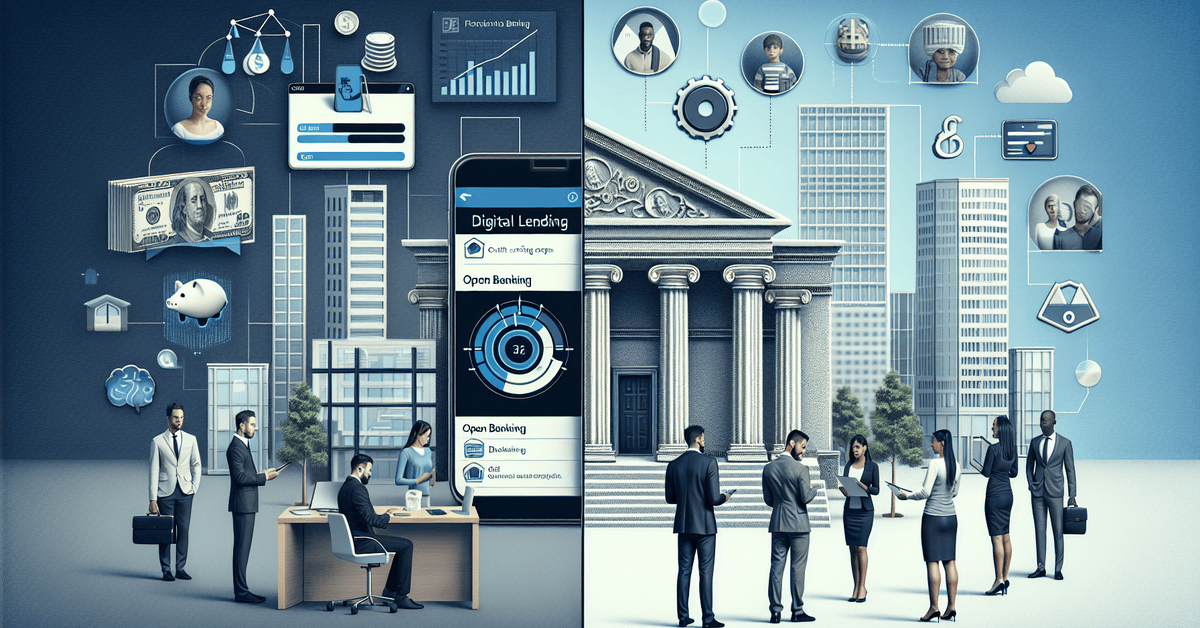
Key Differences: Digital Lending vs. Traditional Banks
| Feature | Digital Lending | Traditional Banks |
|---|---|---|
| Approval Speed | Minutes to hours | Days to weeks |
| Eligibility | Broader, automated checks | Strict, manual review |
| Application Method | Online/Mobile | In-person/Online |
| Rates & Fees | Variable; sometimes higher | Potentially lower for some borrowers |
| Customer Service | Mostly digital support | In-person, phone, digital |
| Regulation | Evolving landscape | Highly regulated |
This comparison gives a clear sense of what to expect from each channel in 2026.
Borrower Experiences in 2026
For some, digital lending’s main draw is how quickly funds are available. Students, gig workers, and entrepreneurs with fluctuating incomes may find digital lenders more accommodating.
Others report feeling more in control, able to access loan offers at any time, not limited by branch hours.
Conversely, a few borrowers share concerns about impersonal service or confusion about loan terms.
There are cases where instant approval comes with higher rates or strict penalties—details that might be overlooked by those seeking only speed.
Risks and Watchouts in Digital Lending
Transparent Terms and Responsible Borrowing
Some online lending platforms have been criticized for not clearly displaying rates or penalties.
By 2026, most reputable sites make terms plain, but it’s still smart for borrowers to review all documents before agreeing.
Data Privacy and Security Measures
With so much sensitive financial data online, privacy remains a concern. Look for lenders who are transparent about data handling and use robust security protocols. Reading reviews and checking for regulatory accreditation can provide peace of mind.
Algorithmic Credit Decisions
Automated decision-making is quick, but humans aren’t entirely removed from the process.
Some borrowers say algorithms don’t always capture the full picture of their ability to pay. Having supporting documents or manual review options can help.
When Traditional Banks May Be Better?
- Borrowers with complex financial histories
- Those seeking large sums or longer loan terms
- Individuals needing personalized advice
- People hesitant to share data online
Banks also tend to offer better options for secured loans, such as mortgages or auto loans, thanks to their deep risk assessment processes.
Key Digital Lending Platforms for 2026
- SoFi
- LendingClub
- Upstart
- Revolut
Each provider has unique eligibility checks, terms, and special features. Comparing multiple platforms can help users find the right fit for their needs.
Tips for Smart Borrowing in 2026
- Compare total costs—including fees, rates, and penalties—not just approval time
- Seek providers with transparent terms and robust privacy protections
- Review multiple offers before making a decision
- Understand your rights as a borrower in your country
Legal and Regulatory Considerations
By 2026, digital lending continues to operate under stricter regulatory frameworks in many regions.
Governments and financial authorities have introduced stronger consumer protection laws to address risks associated with fast online approvals and data sharing.
Even with these improvements, you should always verify that a lender is licensed and regulated by a recognized authority.
This ensures that the provider follows established rules on interest rates, transparency, and fair treatment of borrowers.
Unlicensed lenders may offer quick approvals but often carry higher risks, including unclear terms or aggressive collection practices.
Most regulators now require lenders to provide clear disclosures about loan conditions. This includes total repayment amounts, timelines, and any applicable penalties.
These requirements are designed to help you make informed decisions and avoid unexpected costs.
In addition, many countries offer borrower support systems, such as helplines, mediation services, and formal complaint channels.
If you encounter issues—such as unfair fees or misleading terms—you can report the lender and seek assistance through these official platforms.
Data protection is another growing focus. Regulations increasingly require lenders to handle your personal information responsibly, limiting how your data is stored, shared, or used.
Choosing lenders that comply with these standards adds an extra layer of security to your borrowing experience.
Conclusion: The Future of Borrowing
Digital lending platforms open up new opportunities for quick access to credit, but traditional banks still provide security and personalized options. The best fit depends on your needs, comfort with technology, and long-term goals.
For more on flexible credit options or guides for first-time borrowers, see our articles on digital banking tips or student loans in 2026 .
Each approach has its place—choosing wisely helps borrowers secure funding with confidence.