
Managing personal finances used to be all about setting reminders, tracking bills in a calendar, or even pinning those paper statements to the fridge.
Now, with auto-pay systems widely adopted by banks, utilities, and lenders, the script has flipped. But is using auto-pay just about convenience? Or are there deeper benefits related to your wallet and credit score?
This guide aims to help those curious, maybe a bit skeptical, about whether enrolling in auto-pay can really offer savings and protect financial health.
If you’re someone who juggles multiple bills or worries about missing payment deadlines, exploring auto-pay makes sense. Since so many people today face financial pressure, every small advantage counts.
So, what actually happens when you hand over the task of bill payments to automation?
Understanding Auto-Pay: What Exactly Is It?
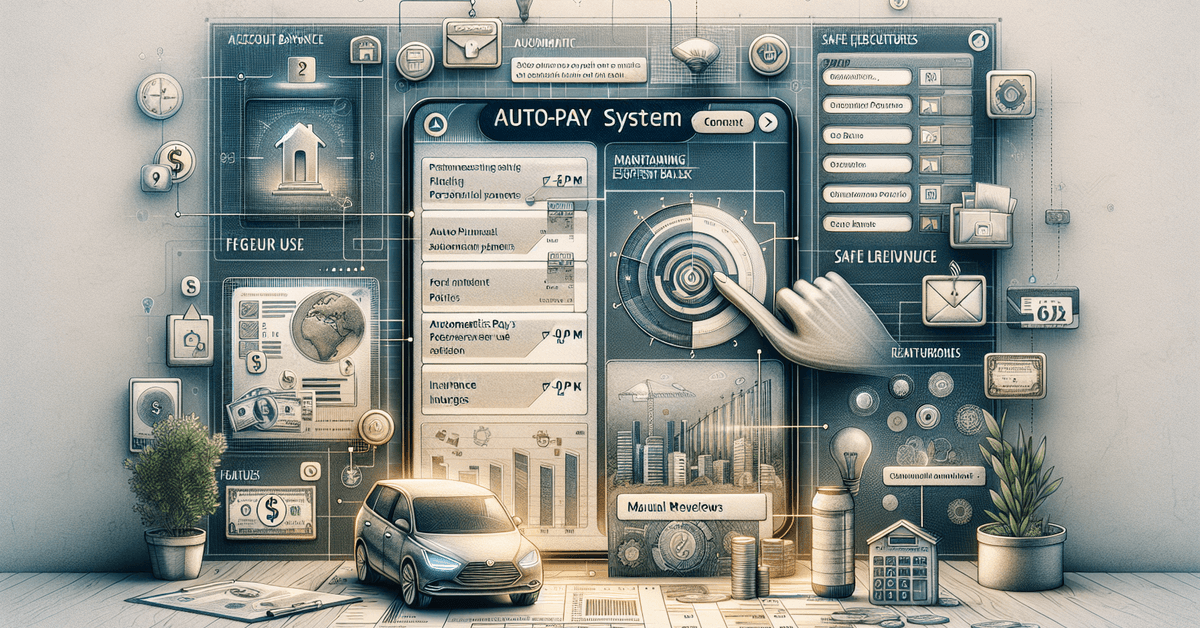
Auto-pay is a service that lets you schedule automatic payments from your bank account, debit card, or credit card to a biller or lender. Typically, it’s offered for utilities, rent, credit cards, loans, and even insurance.
How Does Auto-Pay Actually Work?
Once you enroll, payments are pulled on your chosen day. It means future due dates won’t blindside you. Most services allow for fixed or variable payment amounts, depending on your bill type.
Is Setting Up Auto-Pay Difficult?
Almost all major banks and popular platforms (such as Chase or Capital One) offer step-by-step online guides. You typically fill out your account information and agree to terms. It rarely takes more than a few minutes. If you want deeper detail, check official support from your financial institution.
How Auto-Pay Can Help Save Money
Some wonder if automation is really worth the bother. But there are both direct and subtle ways that auto-pay can improve your financial outcomes.
Avoidance of Late Fees
The most immediate benefit? You’re much less likely to trigger late fees. According to the Consumer Financial Protection Bureau, late fees for missed credit card payments can easily reach $30 or more. It’s easy to imagine forgetting a date during a busy month.
Some Lenders Offer Payment Incentives
It’s not universal, but many lenders, especially on mortgages or student loans, offer a small rate reduction (sometimes around 0.25%) when you enroll in auto-pay. Even minor discounts, over time, can add up to real savings.
Minimized Interest Accumulation
For debts like credit cards, missing payments by even a day can result in additional interest charges. Even worse, rates may jump due to penalty APRs. Regular on-time auto-payments help keep balances manageable—and stress a bit lower.
| Payment Type | Potential Savings |
|---|---|
| Credit Cards | Avoid ~$30/month late fees, no penalty APR |
| Loans (Student, Auto, Mortgage) | Possible 0.25% interest discount |
| Utilities | No reconnection fees, avoid service interruptions |
Auto-Pay’s Effect on Credit Score Health
Here’s where it gets interesting. Credit scores play a vital role in everything from getting a loan to apartment hunting. Payment history is the single largest factor, accounting for about 35% of most scoring models.
Consistently On-Time Payments
With auto-pay, forgetting is less likely. Regular on-time payments mean more positive marks on your credit report. Every missed month can cause a dent that’s tough to fix.
Lower Utilization for Revolving Accounts
If you schedule credit card payments before the statement closes, your reported balance is lower. This can help with the “credit utilization” piece—another key metric. Lower percentages here may improve your score.
Fewer Negative Marks
Late or missed payments stick around on your report for up to seven years. Using auto-pay—even for just the minimum—offers a buffer against harsh consequences.
Cautions and Downsides to Consider
No system is perfect. And auto-pay brings a set of small but real risks. It’s important to be honest about these, so you can weigh the pros and cons in the context of your financial life.
Risk of Overdrafts or Insufficient Funds
If your account balance is low, a scheduled payment might tip you into overdraft territory. This can mean extra charges from your bank, or a returned payment fee from the biller.
Losing Track of Subscription Costs
For recurring non-essential purchases (like streaming or gym memberships), auto-pay can make it easy to lose track of monthly spending. You might not notice price increases or forgotten services.
Potential for Missed Errors
When bills are paid automatically, you might not notice mistakes on your statements—such as overcharges or fraudulent activities. It’s still necessary to review transaction records, even with automation in place.
Tips to Use Auto-Pay Wisely
- Link auto-pay to an account with a cushion to help avoid overdraft fees.
- Review statements monthly—automation isn’t a substitute for oversight.
- Set up notifications or reminders for when payments are about to post.
- For irregular bills, consider a calendar alert in addition to auto-pay as a backup.
- If possible, pay more than just the minimums to lower interest faster.
Popular Platforms and How They Handle Auto-Pay
It’s helpful to get a sense of what’s available. Many big-name platforms support easy auto-pay setup. Here are a few to consider (always check their latest terms):
- American Express : Offers flexible options for full balance, minimum due, or a custom amount.
- Discover : Notifications for upcoming payments; can adjust payment amounts any time online.
- Visa’s partners : Supports repeated scheduling via partner banking apps.
Depending on your location or financial product, regional services may offer different features. Adding a visual table comparing these platforms can help readers scan differences more easily.
Addressing Common Concerns and Questions
Can Canceling or Adjusting Auto-Pay Affect My Credit?
Not directly. But if canceling means you forget to pay, that can harm your payment record. It’s worth thinking through backup reminders if you make a change.
Is There a Security Risk to Auto-Pay?
Banks and lenders encrypt payment data and allow you to cancel authorization at any time. Still, it’s wise to use strong online passwords and monitor accounts regularly. If you suspect fraud or error, most institutions let you dispute quickly.
Visual Enhancements Suggestion
- Table: Compare auto-pay features at major banks or lenders.
- Tip Box: Quick checklist for safe auto-pay usage (funds buffer, statement reviews, alerts).
- Placeholder Images: Calendar pages, bill reminders, or notification icons for visual interest.
Related Reading
- Interested in flexible wages? Internal links to articles like “The Best Ways to Automate Your Savings” or “Beginner Guide to Understanding Credit Reports” might be a good fit here.
Conclusion: Is Auto-Pay Worth Considering?
While it’s not a cure-all, auto-pay does offer real advantages. It reduces hassle, can save money, and supports a healthy credit track record. For some, the worry of forgetting a payment vanishes; for others, it’s a way to unlock loyalty discounts or extra peace of mind.
Staying proactive in tracking spending and checking statements remains important—even technology isn’t a total replacement for awareness. Those aiming for financial stability will likely find that auto-pay, when used thoughtfully, has a positive role to play.
Looking for additional ways to simplify finances and manage time more effectively? Browsing more guides on automated budgeting or understanding your credit details might be helpful next steps.