
Credit scores can often feel like a mysterious number hovering over every financial decision. Yet, understanding and nurturing your credit rating is vital for anyone who dreams of owning a home, upgrading vehicles, or just accessing better interest rates.
This article explores five fundamental routines that tend to support a healthy credit score, offering education for those aiming to enhance their financial standing.
Especially for students, young professionals, or anyone rebuilding credit, these steps may help foster more stable financial futures.
Why Building Credit Matters in Everyday Life
For many, credit isn’t just about loans. It can even influence renting an apartment or setting up utilities. With a strong credit rating, opportunities usually expand, and financial stress sometimes lessens.
Even if credit feels overwhelming at first, learning a handful of simple practices may lead to gradual, satisfying progress.
Track Your Credit Report Regularly
Staying updated on your credit report often acts as an early warning system. Regularly reviewing your report helps identify errors and track progress. Sometimes, people notice unfamiliar inquiries or outdated negative entries that can be disputed.
Free annual reports are typically available through official sources like AnnualCreditReport.com in the U.S., or through equivalent services in other countries.
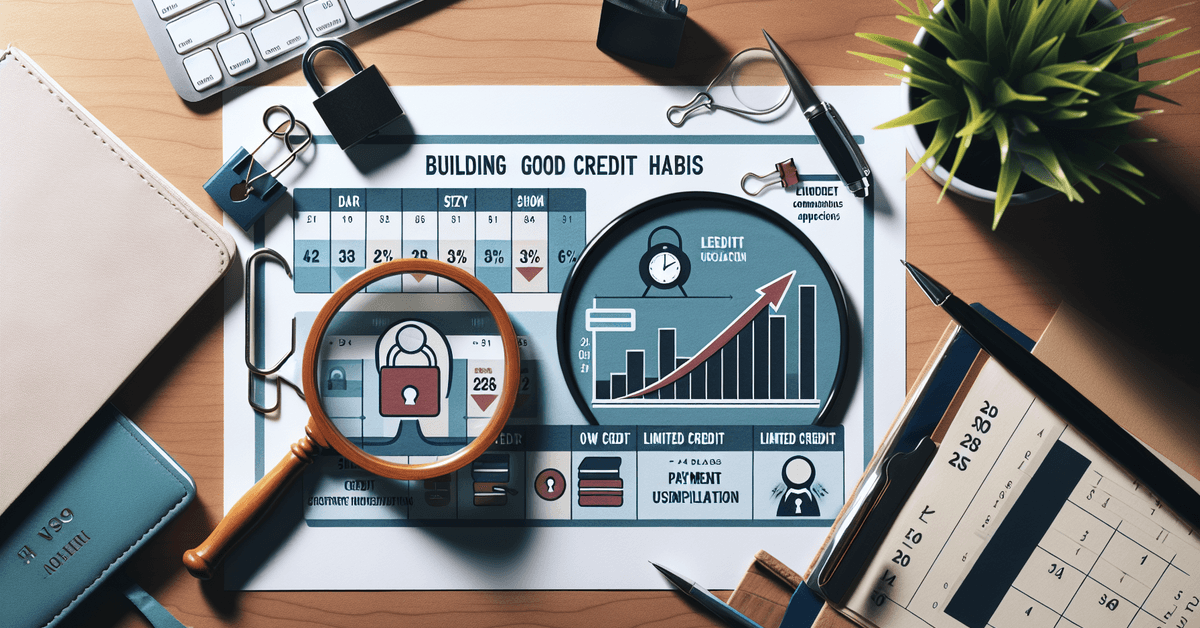
The Value of Monitoring
Monitoring isn’t merely about spotting fraud. It also reveals spending patterns and the areas where improvement is possible. For those who like visual guides, a monthly reminder or spreadsheet may help keep things organized.
Perhaps reviewing every four months, using the three major bureaus, can make this routine feel manageable.
Pay Bills On Time (or Earlier When Possible)
Payment history usually makes up the largest share of most credit scoring models. Even one missed payment could negatively impact the score for quite some time.
Setting up reminders, calendar alerts, or even automating payments sometimes provides peace of mind.

Preparing for Unexpected Hiccups
Life occasionally throws curveballs, leading to late payments. Contacting lenders before a due date to explain hardships may prevent damage.
Some companies offer hardship programs—something a lot of folks miss simply because they never ask.
Keep Credit Utilization Low
This habit involves using less than 30% of your available credit. Many experts cautiously agree this ratio is a healthy benchmark.
People sometimes find it helpful to pay balances before statements are issued, limiting what’s reported.
Understanding Utilization Ratios
If a card offers $1,000 in credit, keeping balances below $300 tends to look favorable to scoring models. Occasionally, folks pay off all their balances monthly, which should (at least in theory) always show as full utilization.
In reality, statement timing impacts reporting. It’s occasionally confusing—even for those deeply familiar with credit.
Tip: Consider Card Management Tools
Credit card issuers sometimes offer apps or dashboards to visualize utilization. If existing blog content explores beginner cards or financial trackers, this can be a helpful internal link.
Limit New Credit Applications
Each time someone applies for new credit, a hard inquiry usually appears on their report. A few inquiries a year may not matter, but several in a short period could cause an unwanted dip in the score.
This habit isn’t about avoiding credit products altogether, but rather pacing new applications thoughtfully.
Choosing the Right Time to Apply
Sometimes, waiting until after major life changes or when your score has improved proves smart.
Comparing offers using prequalifying tools (without triggering hard inquiries) might be a safer test for eligibility.
Maintain Old Accounts, Even with Zero Balances
The length of credit history often counts as a positive for credit scores. Closing an old, unused card might shorten your average account age and reduce total available credit, inadvertently raising utilization rates.
Even if an account isn’t in frequent use, keeping it open may benefit your overall profile.
Balancing Risks
Occasionally, people keep older cards open by setting small recurring payments on them—think streaming subscriptions or gym memberships.
However, it’s wise to ensure no annual fees outweigh the benefit of extra credit history.
Use Only A Small Part Of Your Available Credit
Using only a small portion of your available credit helps show that you are in control of your spending. High balances can make you look too dependent on borrowed money, even if you make your payments on time.
Keeping your usage lower creates a healthier credit profile and can support a better score over time.
Keep Your Balance Low
A lower balance compared with your total credit limit usually looks better on your credit report. This habit shows that you are not stretching your credit too far.
Pay More Than The Minimum Whenever You Can
Paying more than the minimum helps reduce your balance faster and shows stronger repayment behavior. Minimum payments keep the account current, but they do not lower debt very quickly.
When you pay more than required, you show that you are managing credit with more discipline and less dependence.
Reduce Debt More Quickly
A larger payment helps bring down your balance sooner. This can improve how your credit use looks and make your account healthier over time.
Comparing Habits at a Glance
| Habit | Potential Impact |
|---|---|
| Monitor Credit Report | Spotting errors, early fraud detection |
| On-Time Payments | Largest share of credit score calculation |
| Low Utilization | Shows responsible credit use |
| Limit Applications | Prevents score dips from hard inquiries |
| Maintain Old Accounts | Increases account age, lowers utilization |
Frequently Asked Questions About Credit Scores
- How often do credit scores update?
- Do utility or mobile bills impact scores directly?
- What’s considered a “good” credit score these days?
For those curious, check out our related guide on credit score basics for deeper answers to these and other practical questions.
Resources and Where to Learn More
Popular platforms for tracking and improving credit include Experian, Equifax, and TransUnion.
Tools such as Credit Karma offer free access to credit reports and educational resources, and some banks provide monitoring as a complimentary service.
Conclusion: Small Habits, Big Improvements
Building and maintaining credit rarely happens overnight. With consistent attention, small steps like these often add up to healthier finances and more options for the future.
For more insights on personal finance, see our detailed articles on budgeting and building financial confidence .
If you’re considering a review of your credit report, remember resources are widely available—perhaps today is a good day to start learning more.