
Managing personal finances is a challenge familiar to nearly everyone, especially when the goal is building long-term wealth.
The debate about whether budgeting apps or spreadsheets work best is more relevant than ever. With so many tools available, finding the right fit often means weighing features, flexibility, and how much control someone wants over their money.
This article unpacks the pros and cons of each, offering insights for anyone hoping to make smarter financial choices.
Understanding Today’s Budgeting Tools
Both spreadsheets and budgeting apps serve one fundamental purpose: helping people track income, expenses, and savings goals.
Yet, they go about this task rather differently—apps bring convenience and automation, while spreadsheets offer hands-on control. But which method serves long-term wealth building better? Let’s explore the features that shape the experience.
Why People Choose Budgeting Apps
In recent years, many have gravitated to digital budgeting apps like Mint, YNAB (You Need a Budget), and Personal Capital. The popularity of these platforms suggests that automation and seamless integration appeal to busy users. Maybe that isn’t surprising.
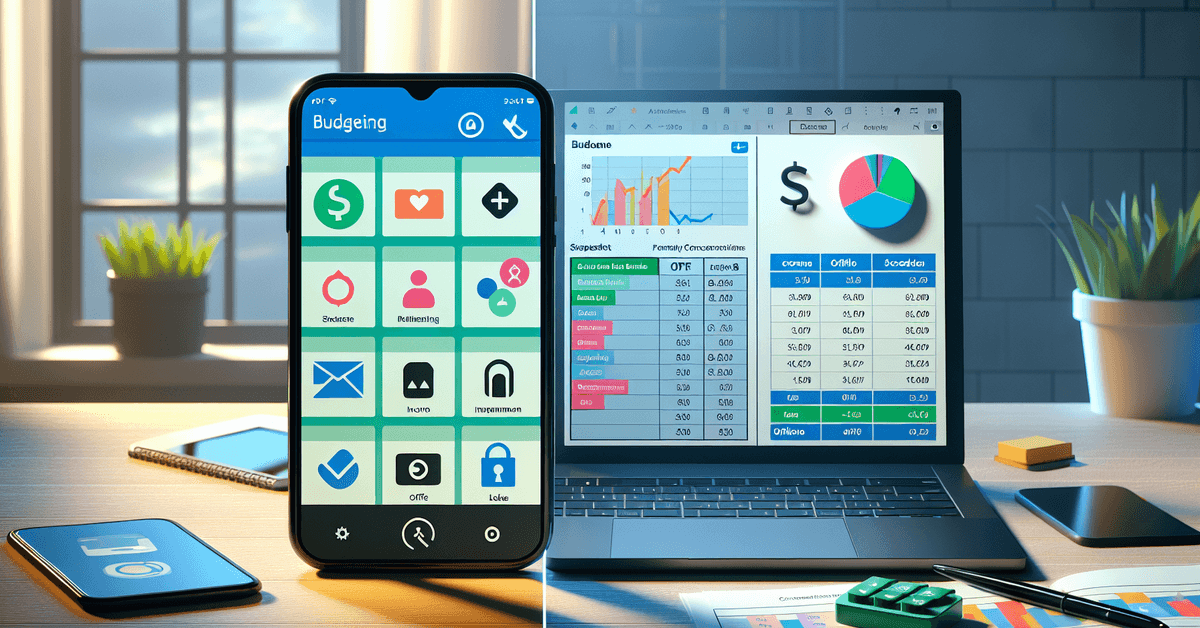
Automation and Real-Time Tracking
Budgeting apps often connect directly to bank accounts and credit cards. This streamlines the process, automatically tracking every transaction as it happens. That level of automation reduces the risk of missing expenses—a common hiccup when using spreadsheets manually.
User-Friendly Features
Most financial apps come with attractive dashboards and intuitive interfaces. Color-coded charts and automated notifications help users spot trends or overspending. There’s even AI-driven insights on some platforms, though how accurate or helpful these are is sometimes debated.

Access On-the-Go
Mobile compatibility stands out as a major plus. Whether at the store or commuting, checking one’s budget can be as easy as glancing at a phone. For some, that kind of convenience means sticking to a budget is less of a burden.
Security Considerations
Of course, security is a lingering concern. Connecting sensitive accounts to third-party apps carries risks, even if companies promote encryption and strong privacy policies. Certain users may feel hesitant about sharing banking credentials, even with well-known apps.
When Spreadsheets Are the Preferred Choice
Despite the rise of apps, spreadsheets —think Microsoft Excel or Google Sheets—remain a staple for budgeters who want total control over their data. This classic tool has a devoted following for several reasons.
Customization On Demand
Perhaps what stands out most about spreadsheets is flexibility. Users can design them precisely to fit their unique needs. Want to track cash envelopes, categorize gifts separately, or set special savings formulas? Spreadsheets can do it all—if you don’t mind a bit of setup.
Offline Accessibility
For those who are wary of online accounts or value privacy, spreadsheets can be stored locally and used entirely offline. No risk of data leaks via a cloud service, although that also means backups are the user’s responsibility.
No Cost, No Strings
Most desktop spreadsheet software is already included with computers or available free via cloud platforms like Google Sheets. Unlike some budgeting apps, there are no ongoing subscription fees or locked features.
Learning Curve and Maintenance
That said, building and maintaining a detailed budget spreadsheet demands time and at least a little know-how. Errors can creep in, and it might get overwhelming without some experience with formulas. The absence of reminders is another stumbling block for forgetful users.
Comparing Budgeting Apps and Spreadsheets Side by Side
Here’s a side-by-side look at top features found in both budgeting approaches. Weighing them can reveal which approach better fits personal preferences or specific goals.
| Feature | Budgeting Apps | Spreadsheets |
|---|---|---|
| Automation | Yes (real-time) | No (manual entry) |
| Customization | Limited (preset categories) | Full (user-defined) |
| Mobile Access | Yes (apps/web) | Yes (cloud spreadsheets) |
| Security/Privacy | Shared (encrypted but online) | Full (user controls data) |
| Initial Setup | Low (download & connect) | High (templates/formulas) |
| Cost | Some free, many subscription-based | Usually free |
Which Tool Builds Wealth More Effectively?
The question of which tool actually grows wealth faster or better is difficult to settle universally. Apps support consistency and help automate important steps, potentially making it easier to stay on track. On the other hand, spreadsheets foster awareness—each entry becomes deliberate, keeping spending habits top of mind.
Personal anecdotes suggest that hands-on approaches may encourage people to reflect more deeply on their goals. But then again, if a process is too time-consuming, users might abandon it altogether. Apps may encourage regularity, provided you’re comfortable with their privacy tradeoffs.
Personal Experience and Real-World Examples
A friend once shared how they switched to a budgeting app because manual entries were “just too easy to skip” after a long workday.
They appreciated having their latest spending updated instantly, though sometimes felt the categories lumped things together a little too generally.
Another relative stuck with a spreadsheet for years, expressing pride in their ability to tweak charts or track “odd little budget categories” that no app seemed to support.
It might be worth mentioning, some users start with one approach then shift to another as their financial needs change. There’s no rule suggesting one tool is right for everyone or that a blend can’t work. Perhaps trying both and mixing strategies is the realistic path for most people.
Privacy, Security, and Data Concerns
The issue of data privacy shouldn’t be overlooked. Budgeting apps typically require users to hand over bank login details or allow read-only access to financial transactions.
While these platforms employ industry-standard security protocols, the risks persist. Reading up on how a specific app stores and safeguards data, or exploring official reviews at resources like NerdWallet, can bring helpful context.
With spreadsheets, files remain in your hands but depend on your own efforts to prevent data loss or unauthorized access.
Learning Curve and Support Resources
Budgeting apps reduce the learning curve; built-in tutorials, customer service, and FAQ sections can ease new users in.
With spreadsheets, the variety of free templates online is large, and forums like Microsoft Support or the Google Docs Help Center offer practical guidance. However, troubleshooting is up to the user.
A little patience is definitely needed to unlock advanced formulas or dashboards.
Tips for Making the Right Choice
- Consider your comfort with sharing banking data.
- Think about how much you value automation versus customization.
- Assess how much time you can commit to keeping budgets up to date.
- Explore whether subscription costs for premium apps fit your plans.
- Maybe try both options for a month before deciding.
A Few Monetizable Topic Clusters for Further Exploration
- “Best free budgeting apps for families”
- “Step-by-step guide to setting up spreadsheets for beginners”
- “Hybrid approaches: Using apps and spreadsheets together”
- “How to track investments with budgeting tools”
- “Privacy-first finance: Tools for cautious budgeters”
Conclusion: Weighing the Pros and Cons
No clear winner emerges when pitting budgeting apps against spreadsheets . It comes down to individual preferences, values, and financial goals.
Automation might suit those who dislike manual effort, while customization and privacy may tip the scales for spreadsheet users. Experience varies; sometimes, it’s a collection of small details that nudges someone to choose one path or the other.
For readers interested in exploring flexible work to supplement their savings, see our internal guide on flexible gig jobs for students.
Whichever budgeting method is selected, staying consistent is the most important step toward improved financial health and peace of mind.