Buy Now Pay Later (BNPL) programs and personal loans have both become popular ways for consumers to manage purchases and unexpected expenses. If you’ve ever hesitated at checkout, wondering if spreading out payments makes sense, you’re certainly not alone.
Navigating these options can be tricky, especially when it’s hard to compare fees, flexibility, and long-term impact. This article explores the pros and cons of each, providing clarity for anyone considering financing a purchase or covering a gap in their budget.
While much of the focus falls on easy approvals and quick access, the actual consequences might be more nuanced. For readers who value both convenience and financial health, a deeper look at both methods helps you weigh immediate relief against future obligations.
What Is Buy Now Pay Later (BNPL)?
BNPL services allow shoppers to split a purchase into a set number of smaller payments.
Typically, these plans are offered at the point of sale, both online and in stores. There’s an appeal: approval is fast and the application process is simple, sometimes requiring only basic personal information.
Brands like Klarna, Afterpay, and Affirm are prominent in this space, each offering slight variations on payment terms. Users often see “pay in 4” promos next to “credit card” buttons, suggesting a low-risk way to buy now and budget later.

Understanding Personal Loans
Personal loans are typically offered by banks, credit unions, and online lenders. Loan amounts range widely, and repayment schedules can span anywhere from a few months to several years.
Unlike BNPL, funds from a personal loan are usually issued directly to your account, so you can use them for almost any purpose.
Interest rates for personal loans depend on creditworthiness and loan terms. While approval may require more paperwork and time, the lump sum nature and structured repayment process can offer predictability for larger needs.
Pros and Cons of Buy Now Pay Later
Pros
- Simple process: Most BNPL applications take only a few minutes, with minimal documentation.
- No interest—or low interest—if paid on time: For many plans, if you pay each installment promptly, there are no additional fees.
- Short-term budgeting help: Spreading out payments can help when cash flow is temporarily tight, especially around holidays or large sales events.
- Minimal credit impact, sometimes: Some BNPL providers perform only a soft credit check, meaning your score generally remains unaffected.
Cons
- Missed payment fees: Forgetting a payment often triggers late fees, which add up quickly.
- Multiple loans, hidden complexity: Using BNPL repeatedly at different retailers can lead to numerous overlapping payment schedules, making it hard to keep track.
- Limited consumer protections: BNPL programs aren’t regulated as strictly as credit cards or loans, so recourse in disputes or returns may be less clear.
- Can encourage impulse spending: Easy approval can make it tempting to buy outside your budget.
Pros and Cons of Personal Loans
Pros
- Larger sums available: Personal loans are designed for higher amounts, helpful for consolidating debt or major expenses.
- Longer repayment terms: Installments can be spread over several years, often resulting in manageable monthly payments.
- Predictable interest: Fixed-rate personal loans have the same cost each month, so interest won’t surprise you.
- Stronger consumer protections: Lenders must follow fair lending laws, and terms should be transparent.
Cons
- May require good credit: Qualifying for favorable rates usually requires a solid credit score and sometimes additional verification.
- Longer approval time: Application processes can be more extensive, with credit checks and income verification.
- Interest can add up: Longer repayment periods may mean paying more in interest over time, especially if not repaid early.
- Possible fees: Some lenders charge origination or prepayment fees, which can reduce the total amount received or penalize early repayment.
Cost Comparison: BNPL vs Personal Loans
| Feature | Buy Now Pay Later | Personal Loans |
|---|---|---|
| Typical Loan Amount | $50 to $2,000 | $1,000 to $50,000+ |
| Interest Rate | 0% to 30% APR (many at 0% if paid promptly) | 5% to 35% APR (depending on credit) |
| Repayment Term | 4 to 12 weeks (some longer) | 6 months to 7 years |
| Fees for Late Payment | $5 to $10 per missed installment | Varies; often flat fees or % of missed amount |
A comparison highlights the different scale and timeframes involved. BNPL looks manageable for smaller, short-term needs, while personal loans serve broader, long-term purposes.
When Might Each Option Make Sense?
Ideal Scenarios for BNPL
- Low-priced items or single transactions (like a pair of shoes)
- Short-term budget crunches, where the flexibility of 4–6 week payments eases strain
- Those with limited credit history who want access without a hard inquiry
Good Use Cases for Personal Loans
- Debt consolidation (especially high-interest credit card balances)
- Medical bills, home repairs, or other large, planned expenses
- Borrowers who need predictable, fixed payments over a longer time
It’s true, sometimes the lines blur. A personal loan might be unnecessary for smaller purchases, but splitting everything into BNPL plans could clutter your finances quickly. It all depends; priorities and comfort with debt play a big role. Not every situation fits neatly into a chart.
Potential Risks and Downsides to Watch Out For
BNPL can subtly encourage overspending, since the immediate financial impact is masked. It’s easy to lose track—sometimes, this leads to juggling multiple active BNPL plans and incurring several small fees that add up, almost unnoticed.
Personal loans, too, carry risks if repayment terms are stretched too long. Interest accumulation can be surprising, and missing payments may have a bigger impact on your credit score. Careful budgeting, regardless of the method chosen, remains the safest strategy.
Tips for Choosing the Right Path
- Read all terms and disclosures before committing, especially APR, fees, and payment schedule.
- Assess current debts and monthly cash flow realistically. A budgeting app, like Mint, might be useful.
- Research several providers. For BNPL, check return and dispute policies. For personal loans, compare interest rates and total costs over time.
- Consider building emergency savings to reduce reliance on financing for urgent needs in the future.
Tip: A quick spreadsheet mapping out payment dates for all your obligations (credit cards, loans, BNPL) can help visualize overlaps, lowering the risk of missed payments.
Legal and Regulatory Considerations
The regulatory landscape for BNPL is evolving. Some oversight is increasing, but protections differ from traditional credit products. Reading customer agreements and knowing your state or country’s finance regulations can be valuable.
Personal loans, in contrast, are subject to established consumer protection laws like the Truth in Lending Act in the United States, requiring lenders to disclose all costs and terms upfront.
It’s hard to predict whether BNPL programs will become more closely regulated in the future, though it seems likely.
Summary Table: Quick View
| Option | Best for | Watch Outs |
|---|---|---|
| BNPL | Small purchases, instant approval, short terms | Hidden fees, potential for overspending |
| Personal Loan | Larger expenses, longer repayment, credit building | Interest cost, credit impact if late |
Conclusion: Choosing the Right Tool for Your Needs
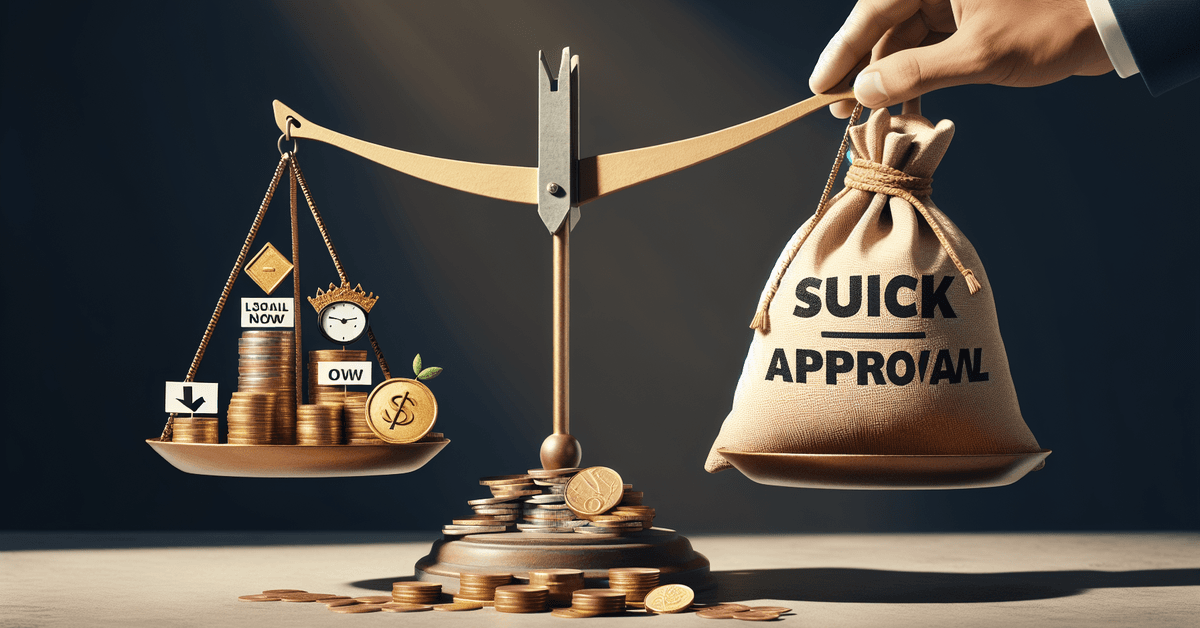
Both BNPL and personal loans offer practical solutions for managing expenses, yet each comes with a unique set of risks and benefits.
If convenience and speed are your main goals, BNPL may be appealing for small, immediate purchases. On the other hand, if you’re considering a larger financial commitment, the structure and predictability of a personal loan may offer more peace of mind.
Ultimately, understanding the fine print and matching the right product to your goals protects your finances now, and in the long term. There’s rarely a one-size-fits-all answer—sometimes mixing both, with care, might even make sense.