
With more people seeking loans online, the risk of running into loan scams has risen. If you’ve ever considered applying for a loan via the internet, you’re not alone.
Many individuals, ranging from students to entrepreneurs and families, explore digital loans for convenience. But the digital shift means safety is a real concern.
Who is this guide for? Essentially anyone curious or worried about online borrowing. Whether it’s your first time navigating online finance or you just want a refresh on what to look out for, understanding common loan scams and how to stay safe is increasingly important.
The main benefit here? Gaining peace of mind as you navigate digital lending. By learning how scams operate, you can make more confident decisions and help protect both your money and personal information from fraudsters.
Staying informed, even if you don’t plan to borrow soon, is a kind of digital self-defense in today’s world.
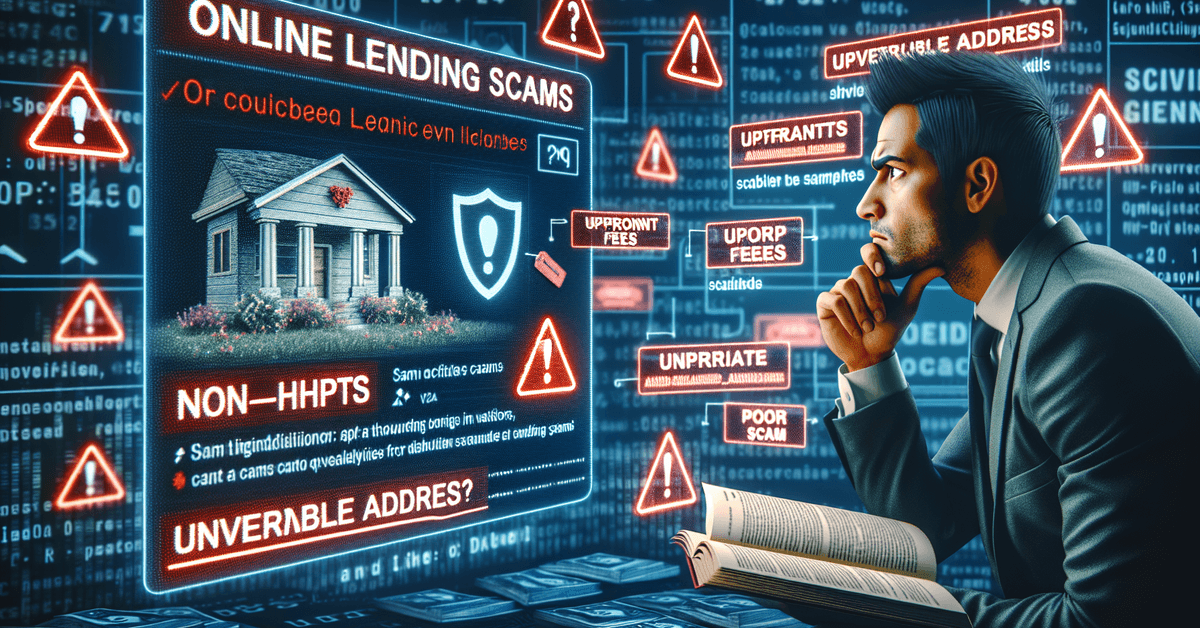
Why Are Online Loan Scams So Widespread?
There’s a clear reason why online loan scams have become so common. First, it’s easier than ever to reach people online. Second, times of financial uncertainty drive more people to seek quick funding.
Unfortunately, these factors attract scammers looking to exploit the vulnerable. It’s not always just about being naive; sometimes even the most cautious get tricked if they’re in a bind or under time pressure.
Fast-Paced Online Culture
Online platforms offer instant responses, quick approvals, and lots of promises. While legit lenders might reply quickly, scammers rely on that same speed. The push for urgency is part of their tactic.

Lack of Strict Screening
Genuine lenders have compliance checks. Fraudulent sites, however, may skip due diligence, offering loans with almost no questions asked — a practice that actually should make most people pause, though not everyone does.
Generic, Polished Websites
Some scam sites look professional and resemble well-known lenders. It’s easy to assume legitimacy if you’re in a hurry. This ambiguity is what lets scams keep growing.
Common Types of Loan Scams in the Digital Age
The variety of online loan scams is broader than some might expect. Knowing their forms helps, although sometimes the lines can blur between misleading and outright fraudulent offers.
Advance Fee Schemes
This is among the most reported scams. You might receive a loan offer on the condition of paying a fee upfront, labeled as “processing,” “insurance,” or “guarantee.” After paying, the loan never materializes.
Phishing and Identity Theft
Some scammers only want your personal data. They design fake application forms that ask for confidential information. Once provided, your data could be used for other fraudulent activities.
No Credit Check ‘Guarantees’
Promises of approval for anyone, irrespective of credit history, are suspicious. Real lenders assess risk; scammers don’t care, since their intention isn’t to lend but to collect fees or identities.
Fake Lender Impersonation
This involves copying names and branding of real lenders to trick applicants into trusting them. Consumers think they’re dealing with, for example, a reputable bank, when in reality it’s a fraudulent clone site.
Debt Settlement and Relief Fraud
Some scams claim to help you settle or consolidate debt, but instead, they encourage hefty fees or steal your details. Sometimes, worst of all, they damage your existing credit profile.
Major Red Flags: Spotting a Loan Scam Early
Spotting a scam isn’t always easy, especially under stress. However, certain warning signs show up repeatedly. It’s worth taking a step back and questioning:
- Upfront Fees : Legit lenders deduct fees from your loan, not before disbursal.
- No Physical Address : A missing or unverifiable address is suspicious.
- Pressure Tactics : Pushy representatives urging you to act fast are often scamming.
- Unsolicited Offers : If you didn’t initiate contact, caution is necessary.
- Unsecure Websites : Look for HTTPS and other trust signals.
- Poor Grammar or Vague Terms : Spelling errors, unclear interest rates, or shifting policies should raise concerns.
How to Protect Yourself When Considering Online Loans?
Being proactive increases safety. While no approach is foolproof, several steps can be taken to reduce risk and foster a healthy degree of skepticism when loan offers seem too good to be true.
Verify Lender Credentials
If unsure, check if the lender is licensed in your state (for the US) or complies with national financial authorities elsewhere. See if they appear on government or consumer protection websites.
Research Reviews and Complaints
Websites such as Consumer Financial Protection Bureau or Trustpilot give insights. However, realize that reviews can be fabricated. Consider the source and look for consistent patterns of complaints.
Communicate via Official Channels
Instead of clicking unknown links or replying to email offers, go directly to a company’s official website or use verified support numbers. Some may find this overly cautious, but sometimes second-guessing saves trouble later on.
Understand Terms and Conditions
Read the fine print and, if you’re not clear about something, look it up. Reputable platforms welcome questions. Those that get irritated or vague at inquiries probably have something to hide.
Exercise Password Hygiene
Use strong passwords and avoid sharing login information even with supposed officials. Updates to your security routines – even minor – are sometimes what stands between you and identity fraud.
Real-World Examples: How Loan Scams Play Out
Sometimes, the best way to learn is by seeing how others have stumbled. A friend once received a call offering a low-interest loan, but things felt off when the rep refused to provide company details until a fee was paid.
Another case involved a replica site of a major lender, differing only by one letter in its web address. If you ever wonder, “Would I have been fooled?” – it’s possible. Even those who consider themselves digitally savvy might second-guess under stress.
Legitimate Loan Platforms – What Sets Them Apart?
Real online lenders demonstrate transparency. Below is a comparison of features to watch for when reviewing a platform:
| Feature | Legit Lender | Potential Scam |
|---|---|---|
| Regulatory License | Always present | Often missing |
| Upfront Payment | Never required | Commonly demanded |
| Contact Information | Clear and verifiable | Obscure or absent |
| Review History | Consistent, mostly positive | None or conflicting |
| Credit Check | Standard practice | Usually skipped |
What To Do If You Suspect You’ve Been Targeted?
If you feel you’ve shared sensitive data with a suspicious entity, it’s suggested to:
- Contact your bank immediately and explain the situation.
- Monitor accounts for unusual activity.
- Consider placing a fraud alert with credit bureaus.
- Report the incident to consumer protection agencies such as the FTC or national cybercrime authorities.
Acting sooner rather than later limits potential harm. Each delayed day could complicate recovery, though it’s also understandable to hesitate or feel embarrassed.
These emotions crop up often, but seeking help isn’t just smart; it’s one of the main paths to resolution.
Conclusion: Staying Vigilant and Informed in the Digital Finance Era
Online borrowing isn’t inherently dangerous. Actually, there are many reputable lenders offering valuable, legal services.
But the internet’s reach means caution is essential with every step. Keeping up with the evolving nature of loan scams , asking the right questions, and taking proactive safety measures can make all the difference.
Consider reviewing the guidelines here occasionally, even when you’re not actively looking for a loan; a bit of extra caution always pays off in the long run.