In an era where financial transactions happen in seconds, safeguarding your personal information as a US cardholder has become more crucial than ever.
This article explores key habits and realistic strategies for anyone seeking to protect their identity in daily life.
While it’s tempting to think such problems affect only others, even the most careful people find risks lurking in unexpected places.
Why Identity Protection Matters for US Cardholders
Identity theft remains one of the fastest-growing crimes in the United States. For cardholders, threats include unauthorized purchases, credit damage, and the frustration of cleaning up financial records.
It seems nearly everyone knows someone affected, and the statistics point to hundreds of thousands of incidents yearly.
Perhaps this worry feels distant until the first odd charge arrives on a statement. Plus, with frequent data breaches at retailers and even banks, no one’s truly immune.
Understanding the Most Common Threats
Several risks target US cardholders specifically. While phishing emails are frequently discussed, there are other subtle dangers as well.
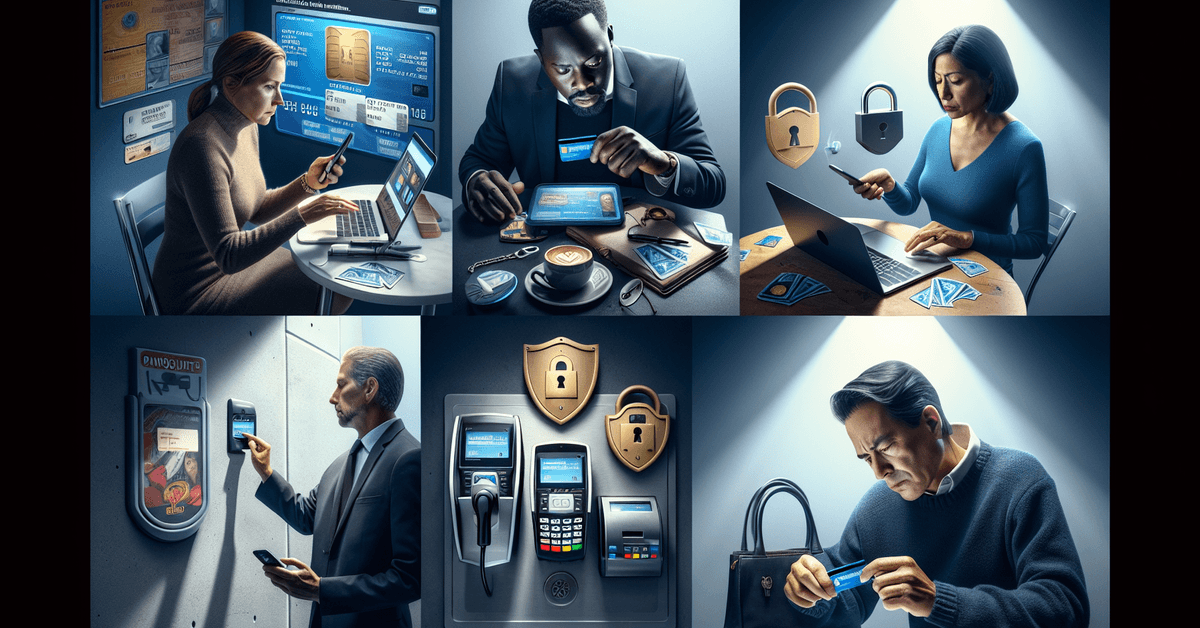
Phishing and Email Scams
These emails pretend to be from your bank or a trusted company. The goal is simple: tricking someone into sharing card numbers or passwords. The messages sometimes seem convincing, especially if they use familiar logos or personal details.
Card Skimming Devices
Placed on ATMs or store payment terminals, skimmers can copy your card data in seconds. Although these devices often go unnoticed, careful observation sometimes reveals a loose cover or unusual hardware.

Public Wi-Fi Risks
Perhaps while traveling or working from a coffee shop, it’s tempting to check your accounts over free Wi-Fi. But, these connections make personal info easier for hackers to intercept with special tools.
Data Breaches and Leaks
Recent high-profile breaches show that even secure-seeming institutions can be vulnerable. When companies lose control of sensitive data, cardholders bear the consequences, whether or not they’ve made a mistake.
Building Smart Habits for Card Security
Certain habits may not guarantee total safety, yet they dramatically reduce risk for US cardholders. These strategies are realistic enough for daily life and avoid overwhelming anyone with paranoia.
Monitor Your Accounts Regularly
Reviewing your account activity online or via your banking app catches suspicious charges early. Even a quick glance every few days can help spot anything unusual before it spirals.
Set Up Alerts
Some card companies offer real-time notifications for large purchases, card-not-present transactions, or withdrawals. These alerts provide early warnings about potentially fraudulent activity.
Use Strong, Unique Passwords
Creating hard-to-guess passwords for banking and shopping accounts keeps criminals guessing. Password managers simplify the process, even though remembering dozens of combinations seems daunting at first.
Be Cautious with Sharing Information
It’s often second nature to hand over a card for in-person transactions, but ask yourself if it’s sensible each time. Sharing details over the phone or email is especially risky unless absolutely necessary and verified.
Update Devices and Apps
Operating system and app updates aren’t only for new features—they patch security holes as well. Maybe putting them off feels convenient in the moment, yet delayed updates can create vulnerabilities.
Recognizing Suspicious Activity and Knowing What to Do
Reacting quickly can limit damage if something goes wrong. Most banks and credit card issuers have dedicated teams for fraud response.
But the first sign often appears on a bill or in an app notification, not as a phone call from the bank.
- Look for unexplained charges or strange withdrawals
- Check for unfamiliar notifications about password changes
- Notice any physical signs of tampering on ATMs or card readers
If something doesn’t seem right, reviewing official resources like the Federal Trade Commission’s Identity Theft site may be helpful. Cardholders might want to consider reporting incidents promptly and securing accounts to prevent further misuse.
Comparing Tools and Services for Additional Protection
A range of services exist to add extra layers of security. The effectiveness of each option varies, and it’s worthwhile to review which features matter most.
| Service | Benefit | Considerations |
|---|---|---|
| Credit Monitoring | Notifies about new credit inquiries or accounts | May require monthly fees |
| Identity Theft Protection | Offers account restoration and some reimbursement for losses | Coverage details differ by provider (LifeLock , others) |
| Virtual Card Numbers | Creates temporary card details for online purchases | Depends on card issuer |
| Fraud Alerts / Credit Freezes | Limits new account openings in your name | Some inconvenience for legitimate credit applications |
For those interested in doing more, checking out guides on safe online banking or the FTC’s guide to phishing scams is helpful.
Legal Rights and Consumer Protections
US cardholders actually benefit from several federal laws that limit liability for unauthorized transactions, such as the Fair Credit Billing Act and the Electronic Fund Transfer Act.
While these laws offer peace of mind, certain timeframes and reporting requirements apply. Perhaps this seems like just legal jargon, but taking a moment to understand these rights might someday make a real difference.
Information about your rights is widely available directly from Consumer Financial Protection Bureau. Sometimes, it’s not only about knowing what to do, but also about knowing when you’re protected by law.
Final Thoughts: Everyday Awareness and Ongoing Security
Staying safe as a US cardholder is not about fear; rather, it’s about being gently mindful, with just a bit of routine caution.
Even protecting your identity may feel overwhelming at times, but after a while, it becomes second nature.
Reviewing your habits, knowing the warning signs, and using available tools cautiously can together reduce risk without taking the joy out of modern convenience.
For in-depth steps on maintaining digital privacy, perhaps explore our article on private browsers for financial security. Everyone approaches identity protection a bit differently and that’s perfectly normal. Above all, the small changes tend to make the biggest difference over time.