
Travel rewards often sound more complicated than they really are. At the center of the conversation are sign-up bonuses, which can help cover flights, hotels, and other trip costs if you meet the card issuer’s spending requirement in the first few months.
Used carefully, sign-up bonuses can turn ordinary expenses into meaningful travel value. Used carelessly, they can lead to missed deadlines, weak redemptions, or costs that cancel out the benefit.

Why Travel Sign-Up Bonuses Matter More Than Ever
A sign-up bonus is a promotional reward offered to new cardholders after they spend a set amount within a defined opening period, usually the first three months after account opening.

Issuers use these offers to attract applicants, but for consumers, the real appeal is practical: one strong welcome offer can meaningfully reduce the cost of a vacation.
The CFPB has also cautioned that rewards programs should be read carefully because vague conditions, redemption failures, and changing values can affect what consumers actually receive.
The Real Mechanics Behind A Welcome Bonus
The basic formula is simple, but the details matter. Chase says the Sapphire Preferred currently offers 75,000 bonus points after $5,000 in purchases in the first three months.
Capital One says Venture Rewards offers a $250 travel credit plus 75,000 bonus miles after $4,000 in purchases in the first three months.
Meanwhile, Wells Fargo says Autograph Journey offers 60,000 bonus points after $4,000 in purchases in the first three months. Those thresholds are what determine whether the headline bonus becomes real value or just marketing.
Why Travelers Pay So Much Attention To These Offers
Travel bonuses draw more interest than many other promotions because they can do more than reduce a bill by a fixed amount.
Depending on the card, points or miles may be used through a travel portal, redeemed against travel purchases, or transferred to airline and hotel partners.
That flexibility gives them a broader appeal for people planning anything from a quick domestic trip to a more expensive international vacation. In the right situation, the bonus can cover a flight, offset hotel costs, or reduce several smaller travel expenses at once.
How A Welcome Bonus Can Cut Vacation Costs
The real value of a sign-up bonus becomes easier to see when it is attached to a specific trip.

A vacation with defined costs, such as airfare, hotel nights, car rentals, or a resort stay, gives you a practical way to measure what a bonus can do.
Instead of thinking in abstract points, you can think in nights covered, flights reduced, or credits applied. That shift makes it much easier to judge whether a card’s offer fits your actual travel plans rather than simply looking impressive on a landing page.
Use Rewards For Flights, Hotels, And More
Most travel cards give you more than one redemption path, and that is where vacation planning becomes important.
Chase promotes booking through Chase Travel and includes a $50 annual Chase Travel hotel credit on Sapphire Preferred, while Capital One says Venture miles can be redeemed through Capital One Travel, used for travel purchases, or transferred to more than 15 travel loyalty programs.
Wells Fargo frames its Autograph Journey bonus more directly by saying the 60,000-point offer is worth $600 toward your next trip.
Why Travel Redemptions Can Outperform Cash
A travel bonus can be more useful than a cash bonus when you already expect to spend money on a trip.
Capital One explicitly says its current Venture offer is equal to $1,000 in travel when the $250 travel credit and 75,000 bonus miles are combined, while Wells Fargo presents its bonus as $600 toward a trip.
For travelers who already know they will book airfare or hotels, that kind of travel-specific value can stretch farther than a generic statement credit. The benefit is strongest when the redemption method matches the trip you already intend to take.
How To Earn The Bonus Without Spending Recklessly
The smartest approach to sign-up bonuses is not chasing the largest number. It is making sure the spending requirement fits your real budget and your timing.

A welcome offer only works in your favor if you meet the threshold with expenses you were already planning to make.
The CFPB’s recent guidance on rewards programs reinforces the broader point: marketing language matters less than the terms, the redemption conditions, and the actual value you can reliably use. A bonus should support your finances, not distort them.
Let Planned Purchases Do The Work
The easiest way to earn a sign-up bonus responsibly is to time the application around predictable spending.
Annual insurance premiums, school costs, household purchases, or even pre-planned travel expenses can help you meet the requirement without buying things you would not otherwise purchase.
This matters because all three featured cards tie their current welcome offers to spending in the first three months. If your application timing is wrong, even a strong offer can become hard to reach without forcing unnecessary spending.
Pick A Card Based On Your Travel Style
The right travel card depends less on hype and more on how you actually travel style.
A traveler who wants flexibility may prefer points that can move through a portal or transfer to partners, while someone planning a simpler trip may value a card that expresses rewards more directly in dollar-like travel terms.
Capital One emphasizes flexible redemption options and transfer partners, while Wells Fargo highlights straightforward trip value. The best choice is the one that fits the shape of your vacation, not the one with the loudest promotion.
Three Travel Cards Worth A Closer Look
Public offers change regularly, so the smartest way to compare cards is to look at issuer pages rather than roundup articles.
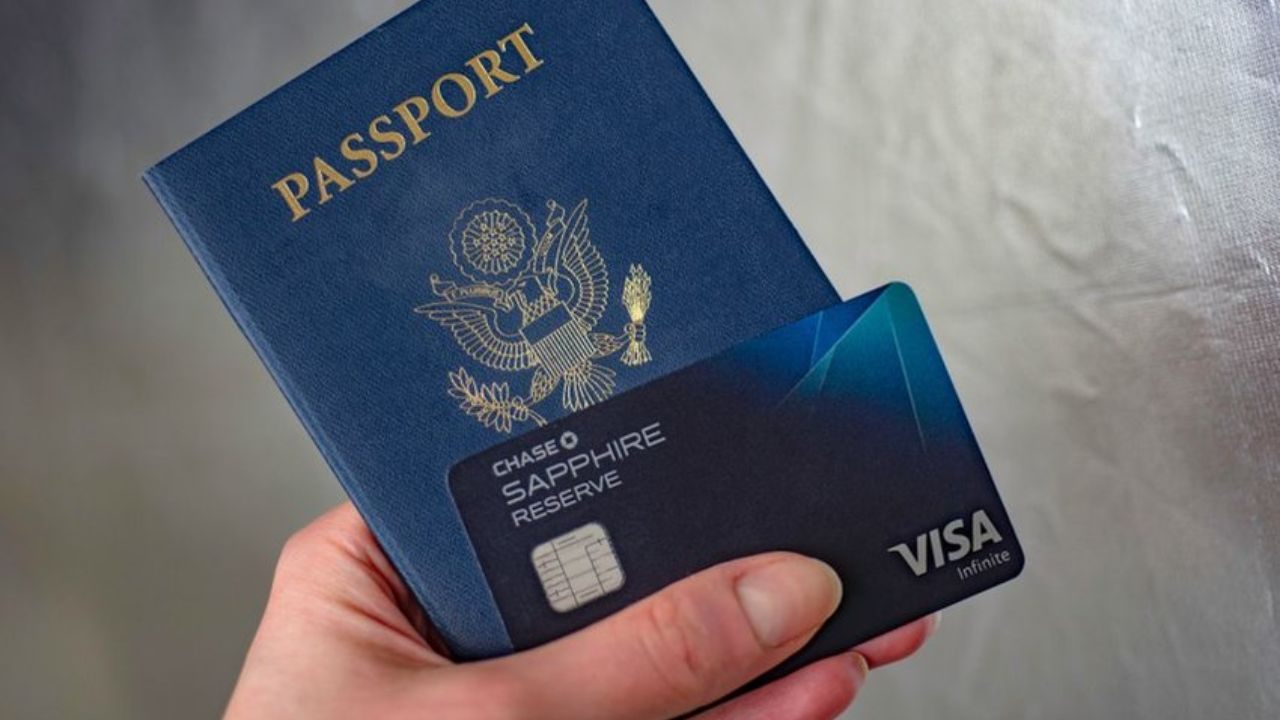
What matters is not only the size of the welcome bonus, but also the spending requirement, the annual fee, the redemption paths, and the extra travel features that can affect first-year value.
A card can look generous at first glance and still be a poor fit if the bonus is hard to earn or the points are awkward to use. The three cards below stand out because their current offers are clear, mainstream, and relevant to vacation planning.
Chase Sapphire Preferred Offers Broad Flexibility
Chase Sapphire Preferred remains one of the most broadly appealing travel cards because it combines a strong current offer with a moderate annual fee and broad flexibility.
Chase says the card currently offers 75,000 bonus points after $5,000 in purchases in the first three months, includes a $50 annual Chase Travel hotel credit, and charges a $95 annual fee.
For travelers who want a card that can support different kinds of trips without moving into premium-fee territory, that is a compelling mix of accessibility and value.
Capital One Venture Rewards Keeps Rewards Easy
Capital One Venture Rewards is especially appealing for travelers who want a simpler rewards structure without giving up flexibility.
Capital One says the current limited-time offer includes a $250 travel credit in the first cardholder year plus 75,000 bonus miles after $4,000 in purchases in the first three months, with a $95 annual fee.
That combination gives the card broad appeal for travelers who want rewards easy, several redemption options, and a welcome offer that can contribute meaningfully to a near-term trip.
Wells Fargo Autograph Journey Makes Value Clear
Wells Fargo Autograph Journey stands out because its bonus is easy to understand in practical vacation terms.
Wells Fargo says the card currently offers 60,000 bonus points after $4,000 in purchases in the first three months and presents that offer as worth $600 toward your next trip, with a $95 annual fee.
For travelers who prefer a clearer connection between the welcome offer and what it may actually do for airfare, hotels, or other bookings, that value clear can be a real advantage.
Conclusion
Sign-up bonuses are most useful when they are treated as a tool, not a temptation. A well-chosen offer can reduce the cost of a vacation, make a planned trip easier to afford, and stretch everyday spending into something more valuable.
The key is to choose a card that fits your travel style, apply when you can meet the threshold naturally, and redeem the rewards with a clear purpose. When that happens, the bonus stops being a flashy headline and starts becoming real travel value.
Note: There are risks involved when applying for and using credit. Consult the bank’s terms and conditions page for more information.