
Getting approved for a high-limit card with a medium income is possible, but it rarely comes down to income alone.
If you want a high-limit card with a medium income, issuers are more likely to weigh the full strength of your credit profile, including your score, payment history, balances, and existing debt.
That is why the better strategy is not chasing the most exclusive card on the market. It is preparing carefully, applying at the right time, and choosing cards that match the profile you have today.

The Real Factors Behind A Higher Credit Limit
Income matters, but it is only one piece of the decision. Credit bureaus and issuers consistently point to a broader mix of factors, including credit score, payment behavior, available credit, and existing obligations.
For medium-income applicants, that is important because it means approval is not reserved for top earners.

A cleaner, lower-risk profile can sometimes do more for your odds than a higher paycheck paired with weak credit habits.
Why Your Credit Record Can Matter More Than Your Paycheck
A lender wants proof that you manage credit responsibly before it extends a larger line. Strong scores and a long credit record of on-time payments suggest that you are less likely to default or overextend once approved.
Income does not directly shape your credit score, so your repayment history and overall account behavior often carry more weight than applicants assume. In practice, a stable record can make a medium income look far more acceptable to an issuer.
Debt Pressure Can Change The Way Issuers Read Your Income
Existing debt changes how lenders interpret your income. Even a solid salary can look less convincing if you already carry large revolving balances or multiple monthly obligations.
Issuers are not just asking how much you make. They are also asking how much financial room you actually have left under that debt pressure.
That is why applicants with moderate income and low utilization often look stronger than applicants with higher income and more debt pressure.
Before You Apply, Get Your Profile In Order
A strong application usually begins before you ever fill out the form. You should know what information the issuer will ask for, what your credit profile currently looks like, and whether there are weak spots worth fixing first.

Card applications typically require key personal and financial details, and having those ready can help you avoid rushed answers or preventable errors. Preparation does not guarantee approval, but it makes the process much more deliberate.
The Key Financial Details You Need to Be Ready
Most issuers want a clear snapshot of both identity and financial stability. That generally includes your legal name, address, Social Security number or ITIN, and income information.
In many cases, you should also be ready with housing costs, employment details, and a realistic picture of your monthly obligations.
When the application asks for financial details, accuracy matters because the issuer is using those details to judge how comfortably you can handle the credit line you want.
Check Your Credit First, Then Decide Whether To Apply
Before you accept a hard inquiry, it helps to know whether your profile is ready. That means checking your score, reviewing your utilization, and looking at how many recent applications already appear on your report.
A quick review can tell you whether you are applying from a position of strength or whether waiting a little longer might improve the result. For medium-income applicants, timing and profile quality often matter just as much as card choice itself.
How To Improve Your Chances Without Earning More
The most effective strategy is not trying to make your income look bigger than it is. It is making the rest of your application look cleaner, steadier, and less risky.

That often means reducing balances, avoiding unnecessary new accounts, and applying when your income and credit activity look stable.
Issuers are more comfortable with applicants who show control, and that kind of control can make a middle-income profile much more competitive.
Paying Down Balances Can Strengthen The Whole File
Paying down balances before applying is one of the clearest ways to improve how your profile is read. Lower utilization can make your existing credit management look stronger and reduce the appearance of financial strain.
It also helps show that you are not already leaning too heavily on the limits you have. For applicants targeting a higher line, that signal matters because lenders want to see room, discipline, and breathing space in the credit picture.
A Well-Timed Application Can Work In Your Favor
Application timing can change the outcome more than many people expect. If you recently opened new accounts, added debt, or had any short-term instability in income or spending, waiting may help.
A well-timed application can make the same income look more dependable because the rest of the file appears calmer and more predictable. When you are trying to qualify for a higher limit, stability often reads better than urgency.
Cards That Fit A Higher-Limit Strategy
No card promises a specific high limit, and approval is never guaranteed. Even so, some products are more aligned with stronger starting lines because they sit in premium or premium-adjacent categories.
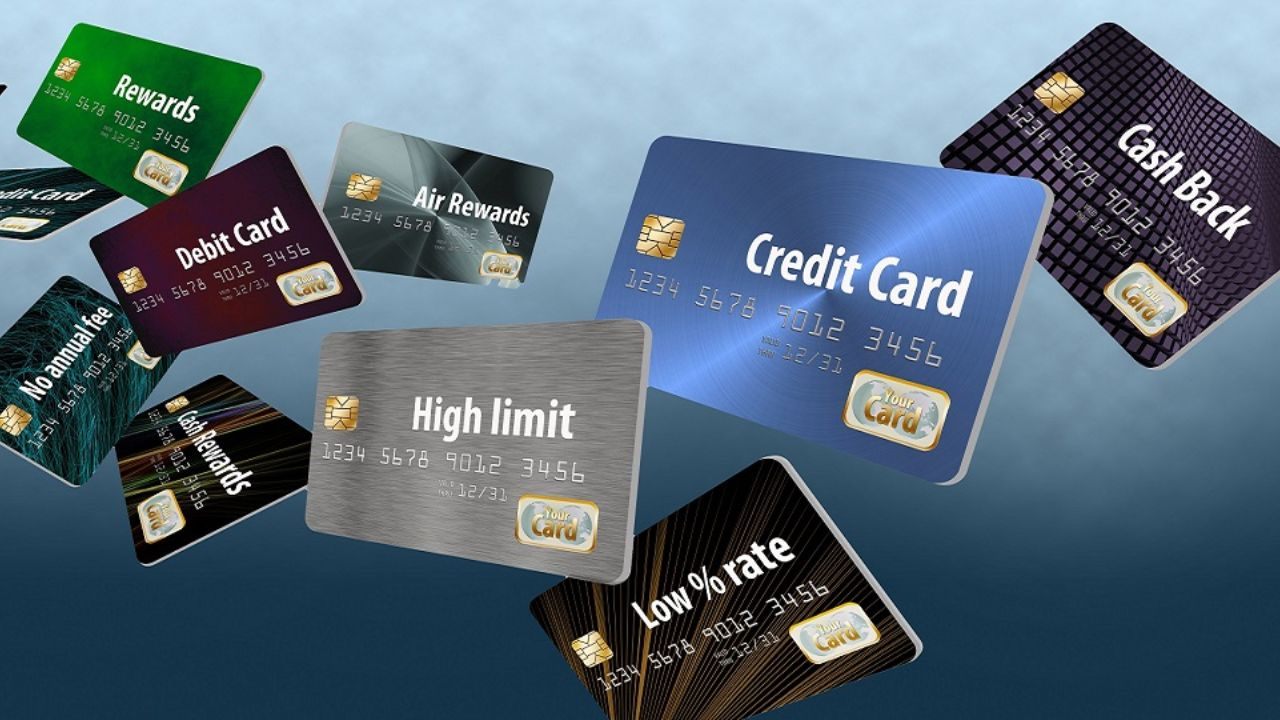
The three cards below stand out because they are current, mainstream, and tied to issuers that market them with stronger rewards or elevated card tiers.
For applicants with medium income and solid credit habits, these can be more realistic options than many assume as part of a higher-limit strategy.
Bank Of America Premium Rewards Feels Like A Serious Step Up
Bank of America Premium Rewards is one of the clearest mainstream examples of a card aimed at applicants seeking a more substantial overall package.
The card offers a strong welcome bonus, a moderate annual fee, and travel-oriented perks that position it above basic entry-level products.
It is not a guaranteed high-limit card, but it is the kind of premium product that often comes up when applicants want more room without jumping into ultra-premium territory. For the right profile, it feels like a serious step up.
U.S. Bank Altitude Connect Adds Premium-Tier Appeal
U.S. Bank Altitude Connect is another notable option because it is a Visa Signature card, which places it in a premium tier.
It is positioned as a travel card with elevated rewards, which helps support the idea that it is designed for applicants with a stronger overall profile than a basic starter card.
For medium-income applicants with solid credit, that combination makes it a credible card to consider when aiming higher. The premium-tier appeal is part of what makes it attractive.
U.S. Bank Altitude Go Keeps The Tier But Lowers The Intimidation
U.S. Bank Altitude Go is a useful alternative for applicants who want a Visa Signature product that may feel more approachable than a higher-fee travel card.
It combines stronger everyday rewards categories with a premium card tier that still signals a step above entry-level products.
Because it sits in the Visa Signature category, it belongs to a group often associated with somewhat stronger approval profiles. For applicants who want a more realistic premium-tier target, it lowers the intimidation.
If The Limit Is Lower Than You Hoped
A lower starting line does not always mean you chose the wrong card or that your income held you back permanently.

In many cases, the first approval is only the beginning of the relationship. Issuers often become more comfortable increasing credit after they see responsible use, steady payments, and controlled balances over time.
For medium-income consumers, that means approval itself can still be a useful win, even if the first number is not as high as hoped.
A Smaller Starting Line Is Not Always The Final Answer
Once approved, the next step is proving that the issuer made the right decision. Use the card consistently, pay on time, and avoid carrying behavior that makes the account look stretched or unstable.
Over time, responsible use can support a better case for more available credit than immediately opening another account would.
For many applicants, patience and consistency do more to build higher limits than chasing one application after another, even if the first limit did not feel like the final answer.
Sometimes The Better Move Is To Grow The Limit You Already Have
Sometimes the better move is asking for a credit limit increase on a card you already manage well instead of applying for a new one right away.
That can be especially useful when you already have a positive payment record with the issuer and want to avoid another fresh inquiry.
For medium-income applicants, this can be one of the more practical ways to grow the limit gradually without adding another account that needs to be managed from scratch. In many cases, it is the smarter long-term move.
Conclusion
Getting a high-limit card with a medium income is less about appearing wealthy and more about looking dependable. Lenders want to see a profile that suggests control, consistency, and room for additional credit, which is why score, utilization, debt, and timing all matter so much.
The smartest path is usually the least flashy one: prepare well, apply strategically, and use any approval wisely. For many applicants, that steady approach leads to stronger limits over time than chasing status too early ever will.
Note: There are risks involved when applying for and using credit. Consult the bank’s terms and conditions page for more information.